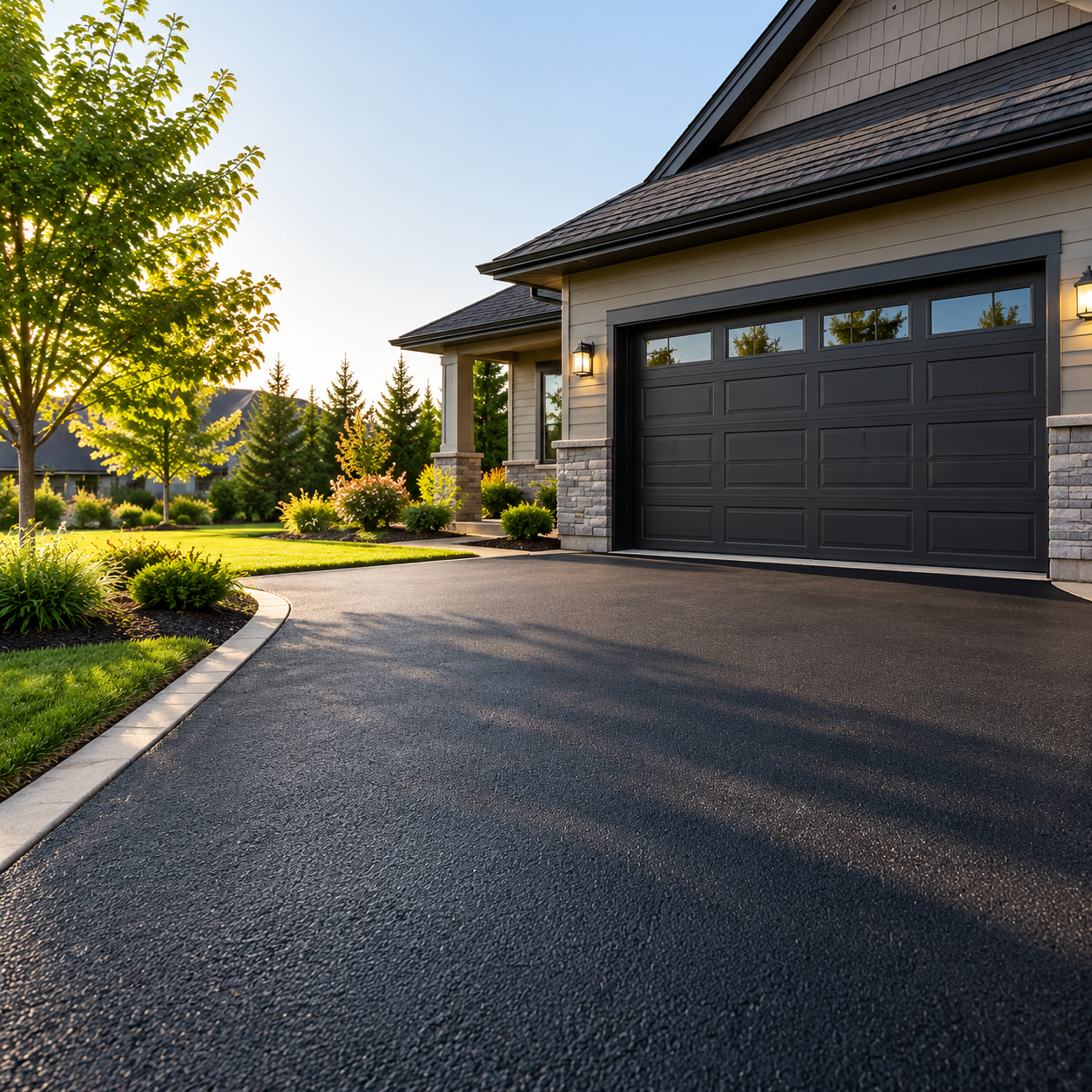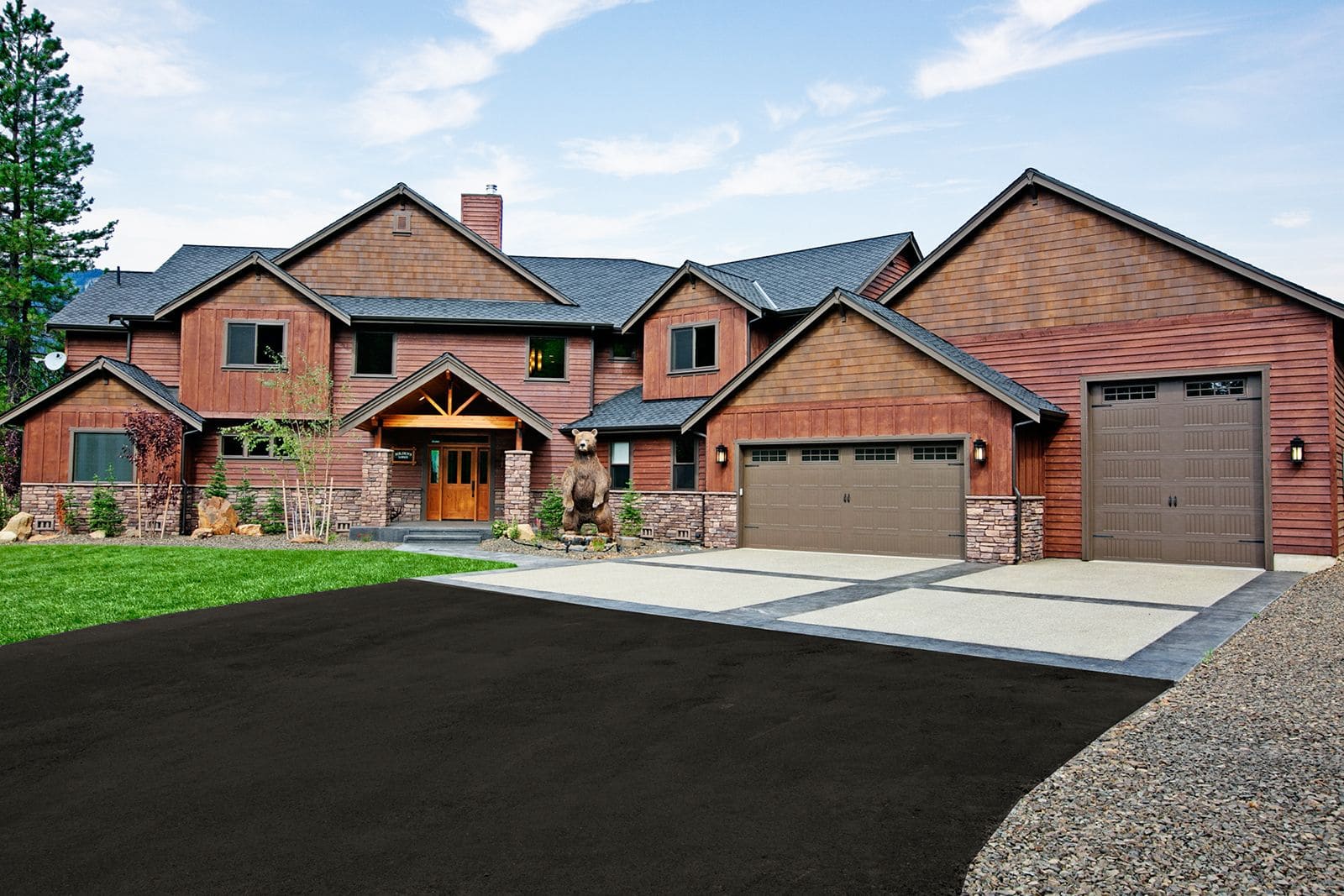
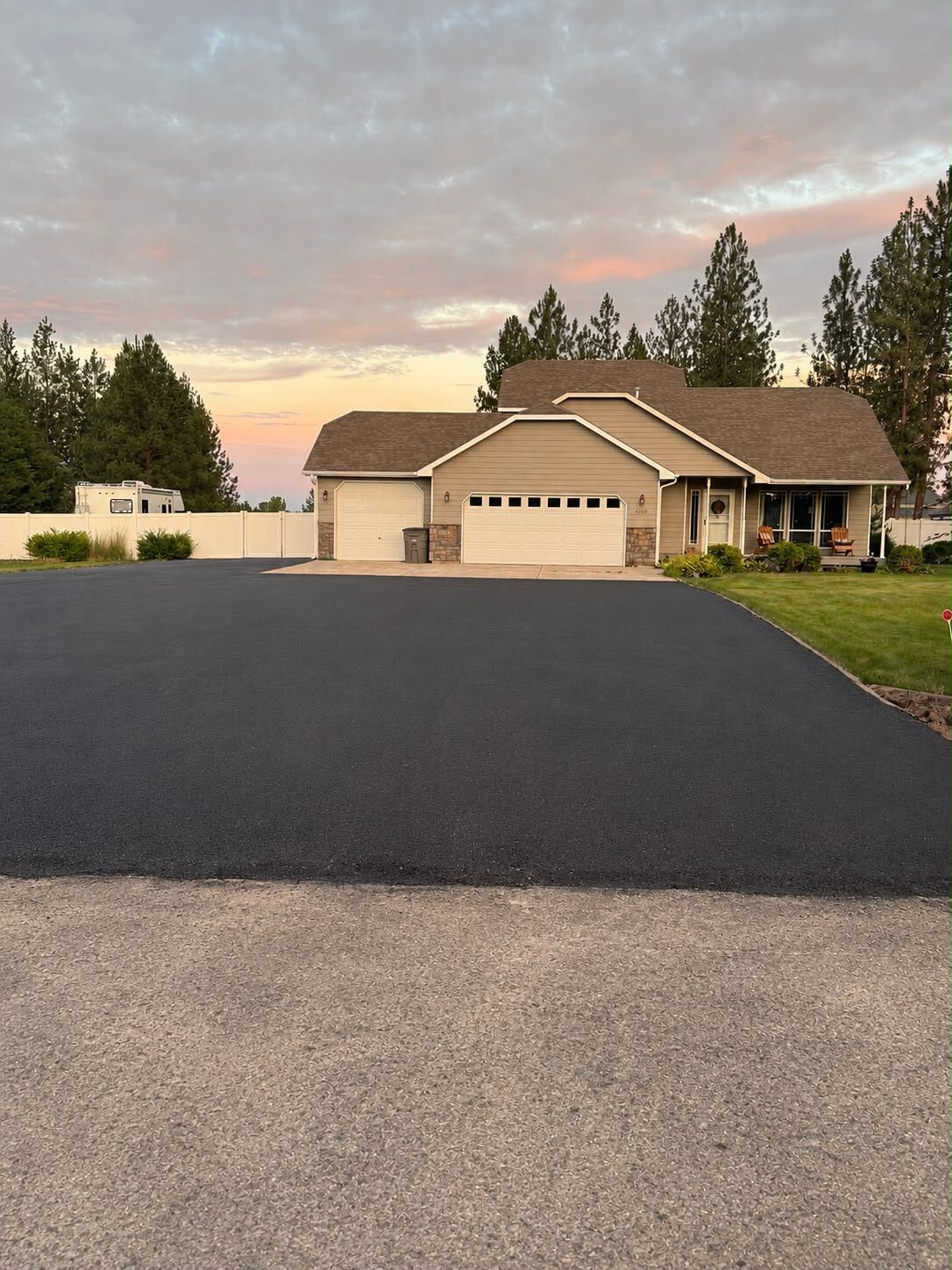
A properly installed asphalt driveway can be one of the best long-term investments you make in your property. It provides a smooth, durable surface, improves curb appeal, and handles everyday vehicle traffic well.
But homeowners in Spokane and Eastern Washington often have one important question before investing in a new driveway:
How long does an asphalt driveway actually last?
With proper installation and regular maintenance, an asphalt driveway can typically last 20 to 30 years. However, the actual lifespan depends heavily on the quality of the installation, the condition of the base beneath the asphalt, drainage, traffic levels, weather exposure, and ongoing maintenance.
In Spokane, the local climate makes proper installation especially important. Cold winters, freezing temperatures, moisture, and repeated freeze-thaw cycles can put significant stress on pavement.
Understanding what affects asphalt lifespan can help you protect your investment and avoid unnecessary repairs.
How Spokane’s Climate Affects Asphalt Driveways
Eastern Washington experiences weather conditions that can be challenging for paved surfaces.
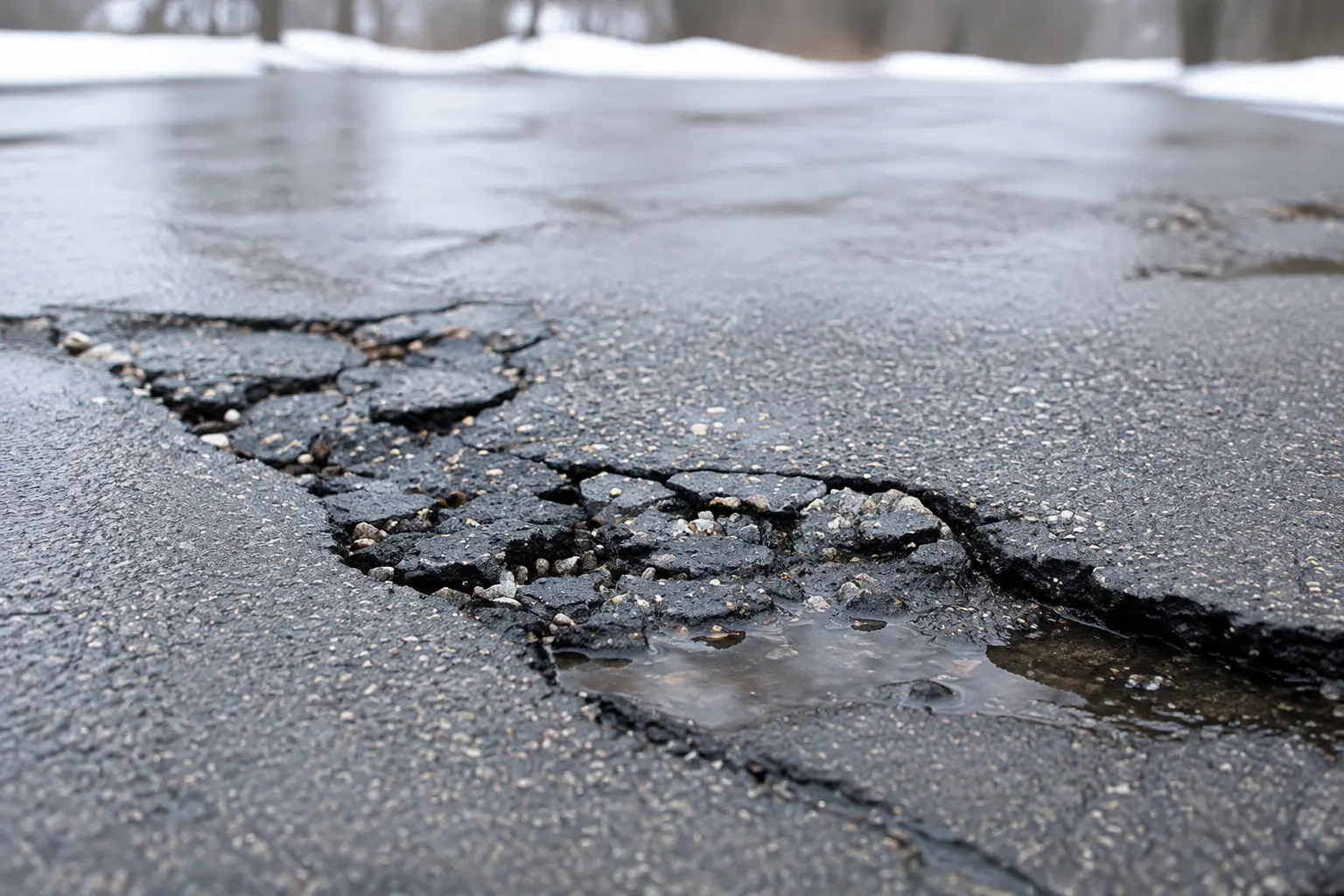
During winter, water can enter small cracks in asphalt. When temperatures drop below freezing, that water expands. As temperatures rise, it thaws again. Repeated freezing and thawing can gradually widen small cracks and weaken the pavement.
Over time, untreated cracks can contribute to:
- Larger surface cracks
- Potholes
- Edge deterioration
- Uneven areas
- Water pooling
- Damage to the gravel base underneath the asphalt
This does not mean asphalt is a poor choice for Spokane properties. In fact, asphalt’s flexibility makes it well suited for climates that experience temperature changes. The key is installing it correctly from the ground up and maintaining it before small problems become expensive ones.
The Most Important Factor Is Proper Base Preparation
A long-lasting driveway starts underneath the asphalt.
The visible black surface is only one part of a complete paving system. Before asphalt is installed, the ground needs to be properly graded and a strong, compacted gravel subbase must be prepared.
A poorly prepared base can cause even high-quality asphalt to fail early.
Common problems caused by inadequate base preparation include:
- Sinking areas
- Low spots
- Standing water
- Premature cracking
- Uneven pavement
- Soft or spongy sections
Proper grading also helps direct water away from the driveway. Good drainage is especially important because water is one of the biggest threats to pavement longevity.
At Cornerstone Paving WA, we believe the quality of a driveway starts with what is underneath it. Proper ground preparation, grading, drainage, and compaction are essential for creating a surface designed to handle Eastern Washington conditions.
How Long Should a New Asphalt Driveway Last?
With quality installation and proper maintenance, homeowners can generally expect an asphalt driveway to last approximately 20 to 30 years.
However, several factors influence that lifespan.
Quality of installation
The thickness of the asphalt, compaction, grading, drainage, and preparation of the underlying base all affect durability.
Cutting corners during installation may reduce the upfront price, but it can also dramatically shorten the life of the driveway.
Vehicle traffic
A residential driveway used by passenger vehicles will experience different wear than a surface regularly exposed to heavy trucks, trailers, commercial equipment, or recreational vehicles.
The driveway should be designed according to how the property will actually use it.
Water drainage
Standing water is a warning sign that should not be ignored. Water can enter small cracks and gradually weaken both the asphalt and the supporting base underneath.
Proper grading should allow rainwater and melting snow to move away from the paved surface.
Sun exposure
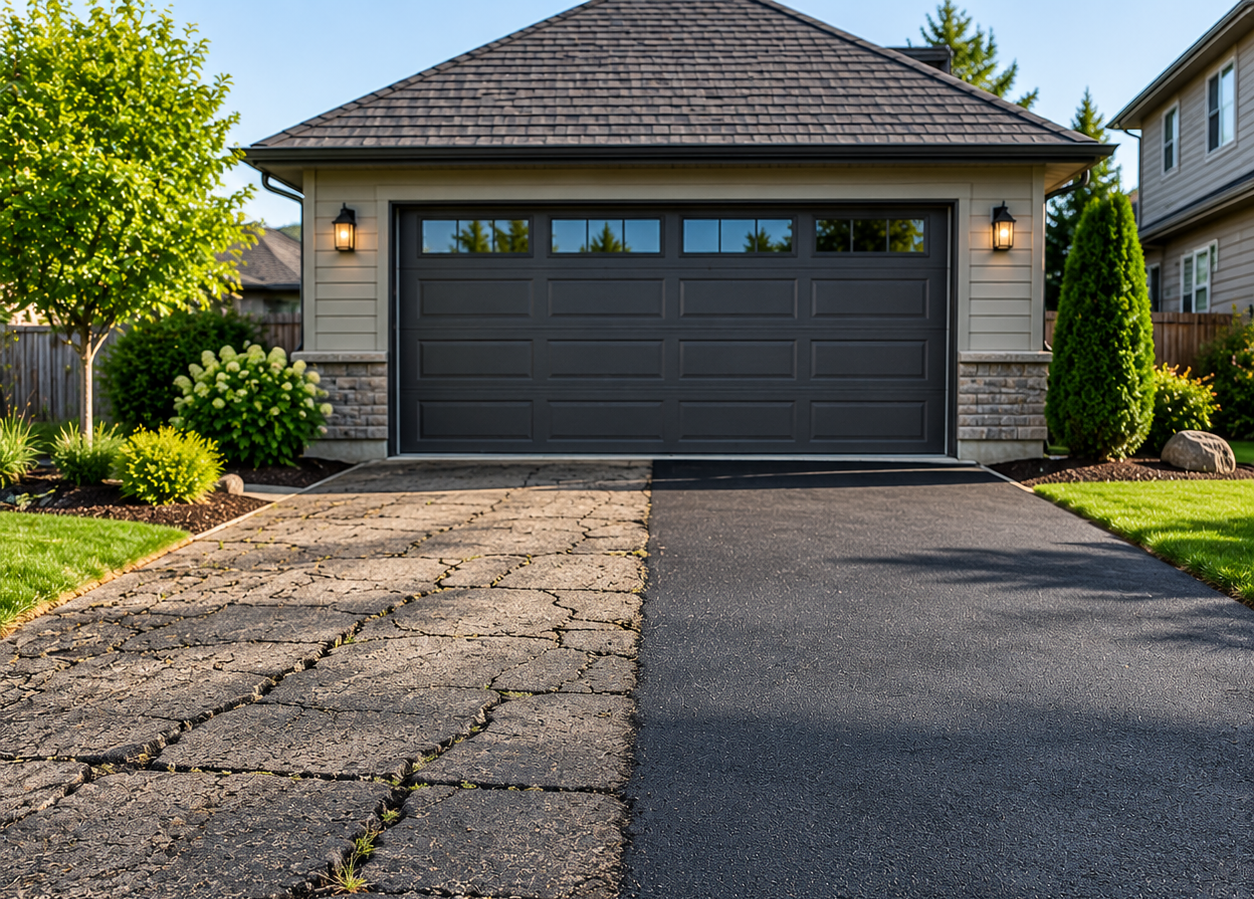
UV exposure gradually oxidizes asphalt, causing the rich black surface to fade toward gray.
This color change is more than cosmetic. It can indicate that the asphalt is losing some of its natural oils and becoming increasingly brittle.
Maintenance
Small cracks and minor surface deterioration are much easier and less expensive to address early.
Ignoring them allows water to penetrate deeper into the pavement system, increasing the risk of more serious damage.
What Are the Signs That Your Asphalt Driveway Needs Attention?
You do not necessarily need to wait for potholes or major cracks before having your driveway inspected.
Early warning signs include:
The surface is fading from black to gray
Fading is often an early sign of oxidation caused by UV exposure. The surface may be losing its protective qualities and becoming more vulnerable to damage.
Small cracks are appearing
Hairline cracks may seem harmless, but they provide an entry point for water. During Spokane winters, repeated freezing and thawing can cause these cracks to grow.
Water stays on the driveway after rain
Pooling or standing water can indicate drainage or grading problems.
The edges feel soft or begin breaking apart
Weak driveway edges may indicate insufficient support or deterioration beneath the surface.
The asphalt has not been sealed for several years
Even asphalt that appears to be in reasonable condition can benefit from preventative maintenance.
Catching these signs early may allow you to preserve the existing driveway instead of facing a more expensive replacement later.
How Seal Coating Can Help Extend Pavement Life
Seal coating adds a protective barrier over existing asphalt.
It helps protect the pavement from moisture, UV exposure, oxidation, and everyday surface wear. It can also restore the darker appearance of aging asphalt and slow further deterioration.
Many asphalt driveways benefit from seal coating approximately every 3 to 5 years, depending on traffic, sun exposure, surface condition, and other factors.
However, seal coating is preventative maintenance. It cannot repair serious structural problems beneath the pavement.
A driveway with minor fading and small surface cracks may be a good candidate for maintenance. A driveway with deep cracking, major settlement, severe potholes, or base failure may require repair or replacement instead.
A professional inspection can help determine which option makes the most sense.
Should You Repair, Seal Coat, or Replace Your Driveway?
The right solution depends on the current condition of your pavement.
Consider seal coating when:
- The asphalt is structurally sound
- The surface is beginning to fade
- There are only minor hairline cracks
- You want to protect the pavement from further oxidation and moisture
Consider repairs when:
- Damage is limited to specific areas
- Small potholes have developed
- Certain cracks require professional treatment
- Most of the driveway remains in good condition
Consider replacement when:
- There is widespread structural cracking
- Large sections are sinking or shifting
- The underlying base has failed
- Potholes repeatedly return
- The surface has reached the end of its practical lifespan
The most expensive option is not always the right one. An honest on-site assessment can help determine what your driveway actually needs.
Asphalt, Chip Seal, or Seal Coating: Which Is Right for Your Property?
Not every property needs the same type of paving solution.
Asphalt paving is generally an excellent choice for residential driveways, parking areas, and properties where homeowners want a smooth, solid finished surface.
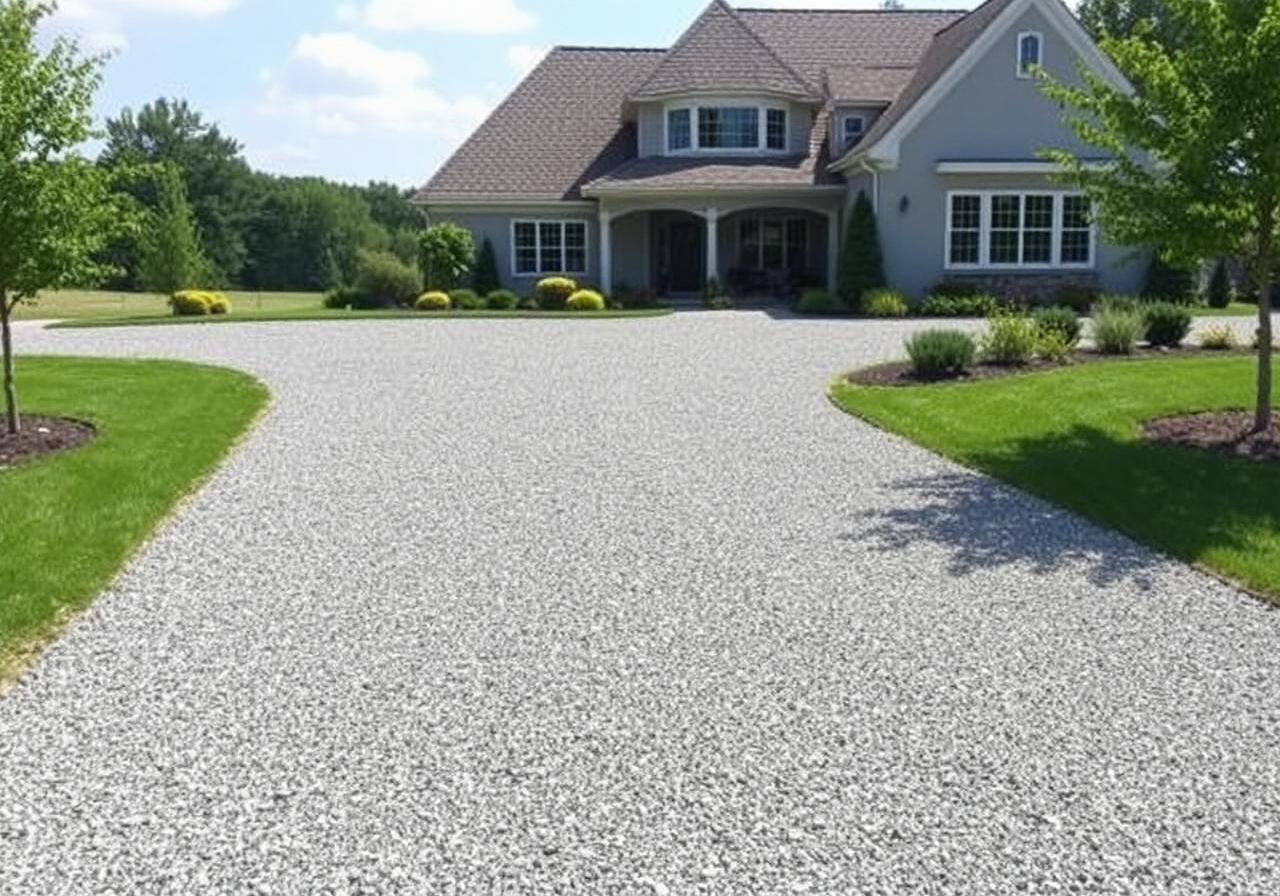
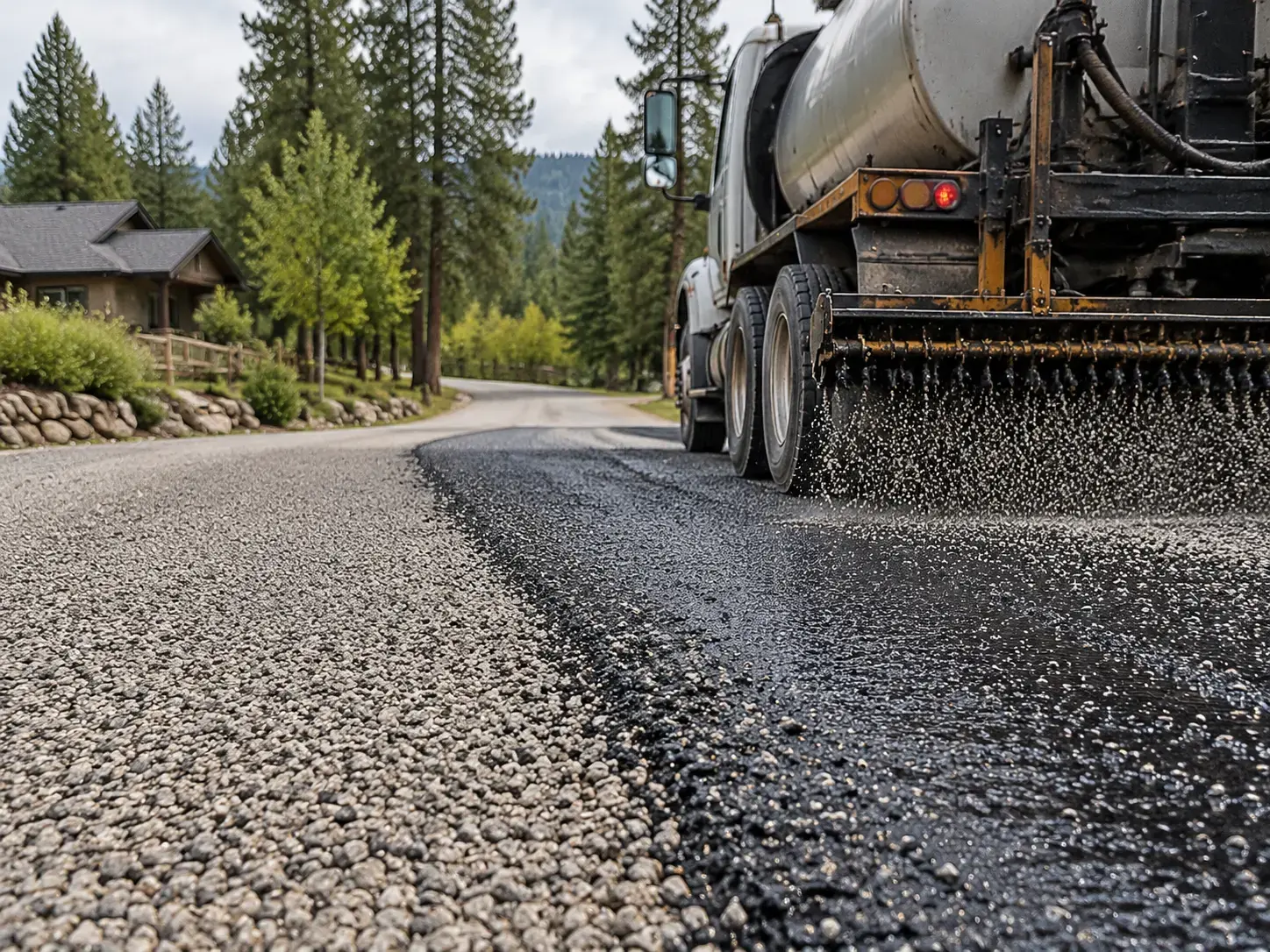
Chip seal can be a practical and cost-effective solution for long driveways, acreage properties, private roads, and rural surfaces. It provides a textured, weather-resistant surface and can be considerably less expensive than full asphalt paving for larger areas.
Seal coating is designed to protect existing asphalt that remains in fair to good structural condition.
The right choice depends on the size of your property, current surface conditions, traffic, budget, appearance preferences, and long-term goals.
How to Make Your Asphalt Driveway Last Longer
A few preventative steps can significantly improve the long-term performance of your driveway.
First, address small cracks before they become larger. Water entering cracks is one of the biggest causes of pavement deterioration.
Second, keep an eye on drainage. Standing water should not be considered normal.
Third, maintain the surface with professional seal coating when appropriate.
Fourth, avoid placing loads on the driveway that it was not designed to support.
Finally, have the pavement professionally inspected when you notice significant changes in appearance, cracking, drainage, or surface stability.
Preventative maintenance is almost always more affordable than waiting until extensive damage develops.
Get an Honest Driveway Assessment in Spokane, WA
Every driveway and property is different. The right paving solution depends on the existing surface, drainage, soil conditions, property size, traffic, and your goals for the space.
Cornerstone Paving WA provides asphalt paving, chip seal, and seal coating services for homeowners and property owners throughout Spokane and surrounding Eastern Washington communities.
Whether you are considering a new asphalt driveway, looking for a cost-effective surface for a long rural driveway, or trying to protect existing pavement, the first step is understanding what your property actually needs.
Schedule a free on-site estimate with Cornerstone Paving WA.
Call (509) 307-8856 or request an estimate through our website to get a straightforward recommendation for your property.