If you are about to invest in a new driveway, this is probably the first question on your mind. Asphalt is not cheap, and nobody wants to repave the same surface twice in one decade.
Here is the short answer. A properly installed asphalt driveway in Spokane can last 20 to 30 years. But that number depends heavily on how the driveway was built and how it gets maintained afterward.
Let us break down exactly what determines that lifespan, what shortens it, and what you can do to get every extra year out of your investment.
The Real Lifespan of Asphalt Paving
Asphalt is one of the most durable and widely used driveway materials in Washington, and there is a good reason for that.
Here is what typical lifespans look like:
- Asphalt paving: 20 to 30 years with routine maintenance
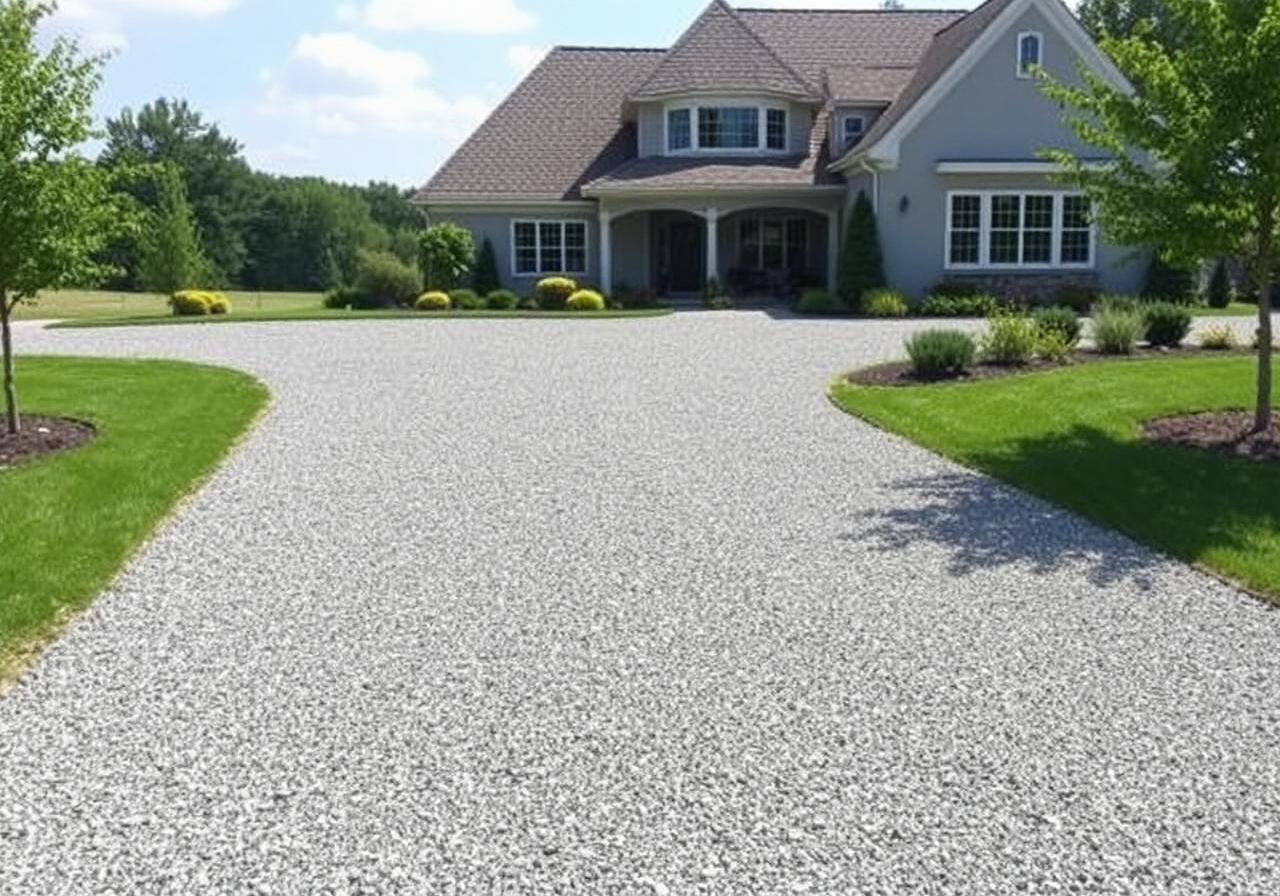
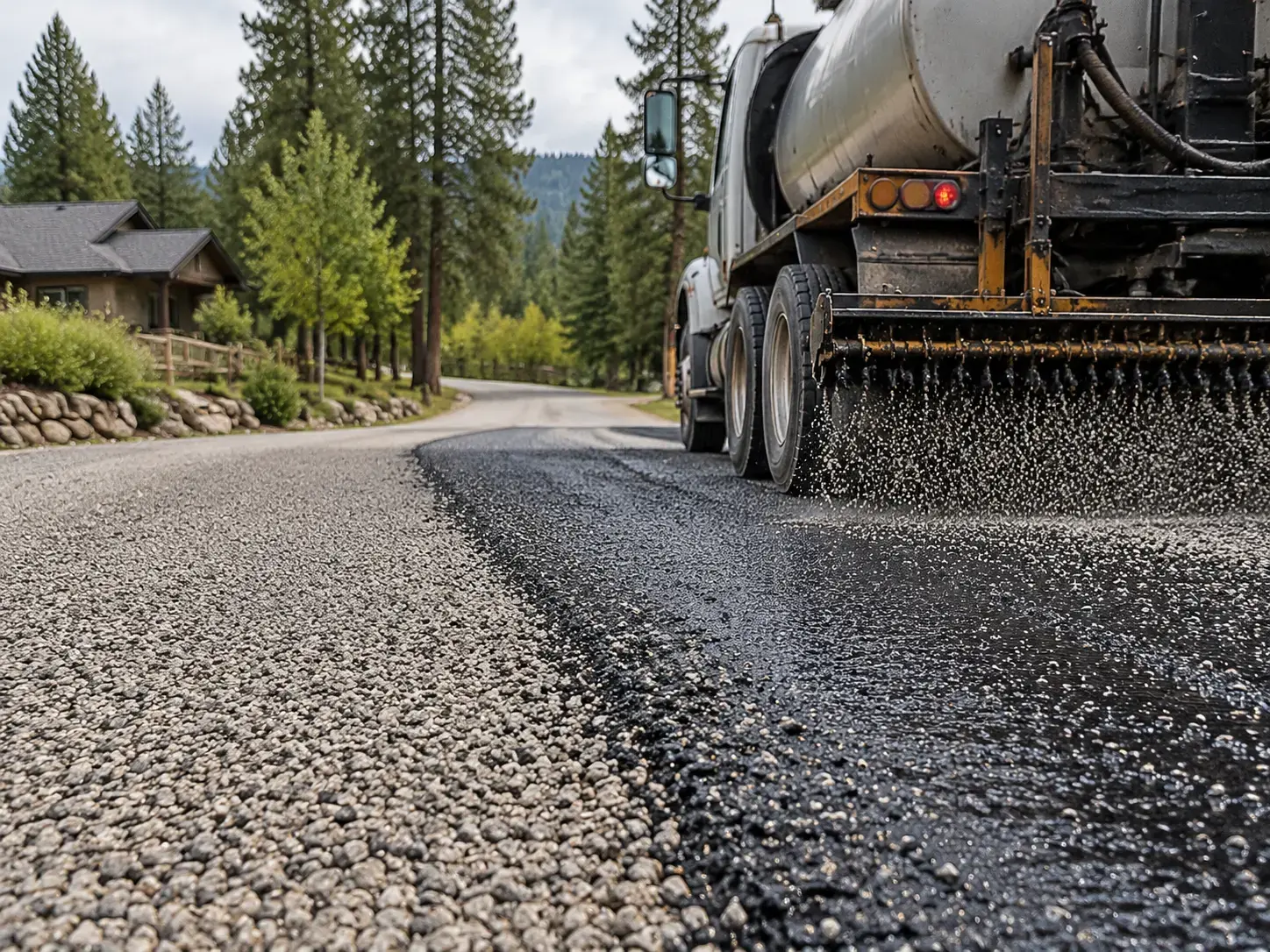
- Chip seal: long lasting with periodic reapplication, especially strong for rural roads
- Seal coating: adds years of protection to existing asphalt when reapplied every 3 to 5 years
These numbers assume the work was done correctly from the start. That last part matters more than most homeowners realize.
What Actually Determines How Long Your Driveway Lasts
Asphalt lifespan is not just about the surface layer you see and drive on. Most of what determines longevity happens before the asphalt is even poured.
1. The Subbase
A compacted gravel subbase sits underneath every quality driveway. This layer creates a stable, frost resistant foundation.
Skipping proper base preparation is the single biggest reason driveways fail early in Spokane. Without a solid base built to handle freeze thaw pressure, even premium asphalt will crack and settle within a few years.
2. Grading and Drainage
The ground needs a slight slope away from your home so water drains off the surface instead of pooling on it.
Standing water after rain usually points to a grading or drainage issue. Left alone, it becomes one of the fastest ways to shorten pavement life.
3. Compaction
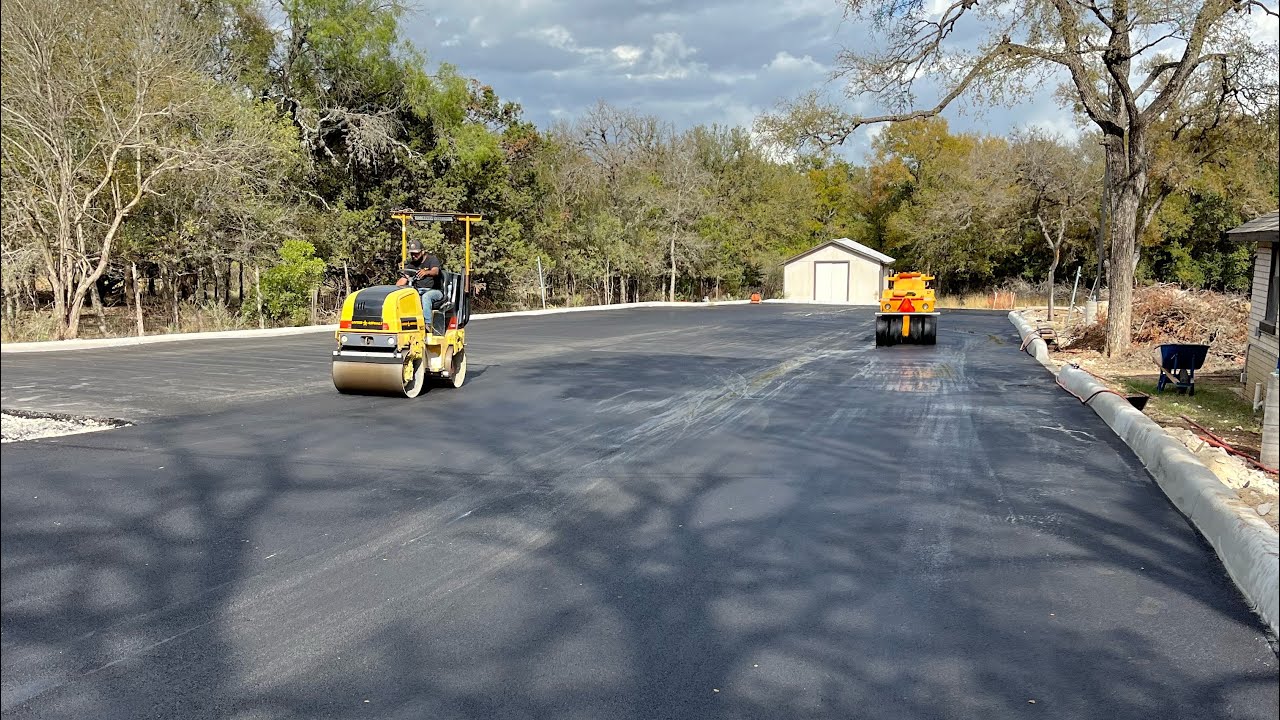
Fresh asphalt is compacted with steel drum rollers while it is still hot. This step presses out air voids and creates a dense surface that resists cracking under weight and freezing thaw pressure.
4. Climate
Eastern Washington puts real stress on driveways. Freeze thaw winters and hot, dry summers work against pavement year round. Water seeps into small cracks, freezes, expands, and forces those cracks wider over time.
5. Ongoing Maintenance
Even a perfectly installed driveway needs upkeep. Seal coating every 3 to 5 years is the most cost effective way to protect your investment, and it costs a fraction of repair or replacement.
The Asphalt Lifespan Timeline
Here is a general timeline that most Spokane homeowners can expect from a properly installed driveway.
Year 1: Let It Cure
New asphalt needs 6 to 12 months to fully cure before the first seal coat goes on. Heavy vehicle loads and sharp objects should stay off the surface during this period.
Years 1 to 3: First Seal Coat
Once the asphalt has cured, the first seal coat locks in the surface and starts protecting it against UV damage and moisture.
Years 3 to 5: Inspect and Reseal
Check the surface once a year. If the color is fading from black to gray, or hairline cracks are showing up, it is time to reseal.
Years 5 to 15: Crack Fill as Needed
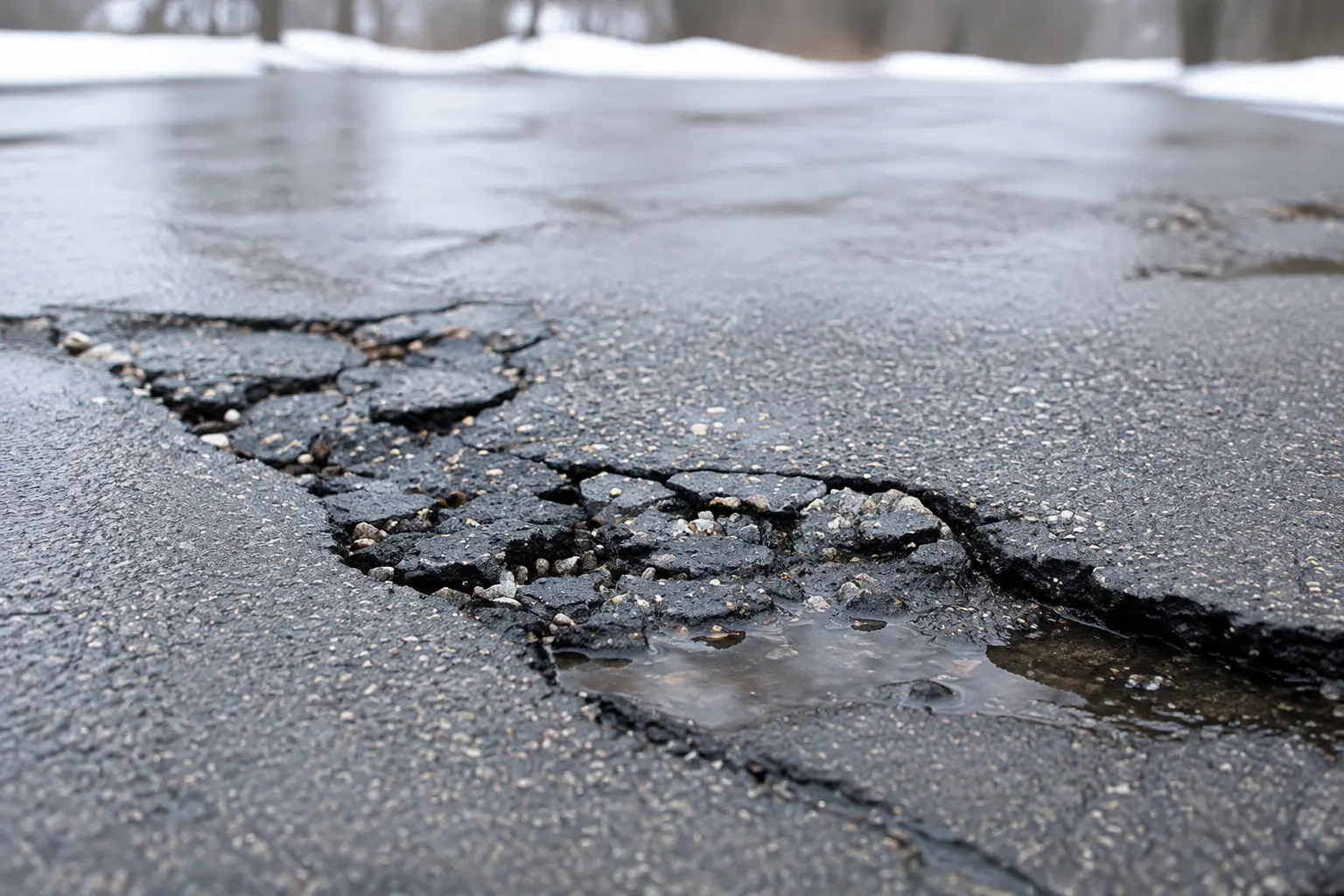
Address cracks as soon as you spot them. Crack filling is inexpensive. Ignoring cracks for a season or two leads to potholes and much more expensive repairs.
Years 15 to 20: Consider Resurfacing
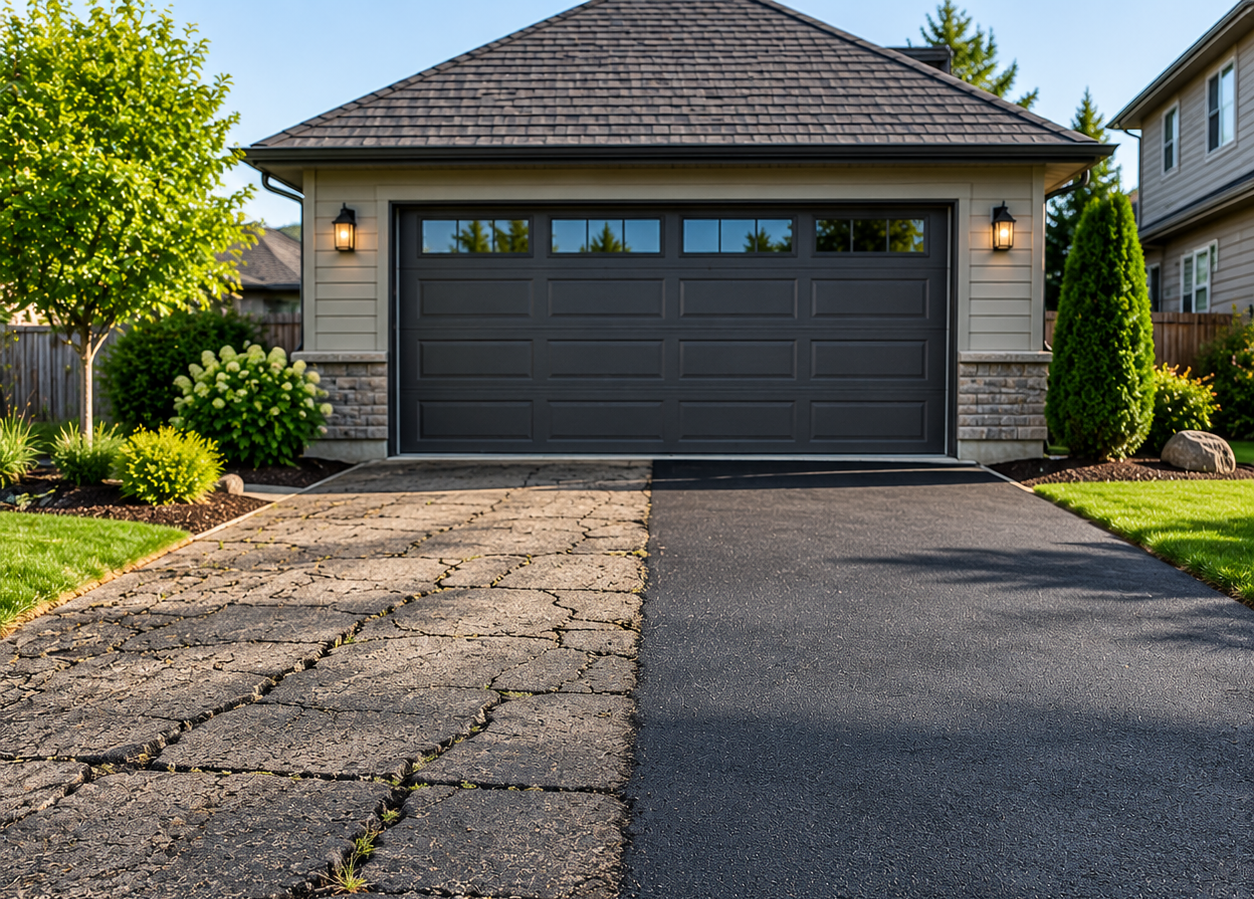
If cracking has spread or minor settling appears but the base underneath is still solid, an overlay or resurfacing restores performance without the cost of full replacement.
Years 20 to 30: Full Replacement If Needed
At this stage, a driveway with a properly maintained base has often already earned its keep. Full removal and reinstallation starts the cycle again with a fresh foundation.
Warning Signs Your Driveway Needs Attention
Most homeowners do not think about their driveway until something goes wrong. By then, the fix usually costs more than it should have.
Watch for these signs:
- Color fading from black to gray, an early sign of UV oxidation
- Hairline cracks along the surface or edges
- Standing water after rain
- Soft or spongy spots near the edges
- A surface that has not been sealed or paved in 5 or more years
None of these problems fix themselves, and most get significantly more expensive the longer they sit. Caught early, almost all of them are solved with routine maintenance instead of a full replacement.
5 Mistakes That Shorten Asphalt Lifespan
Choosing the wrong contractor or skipping key steps can cost thousands down the road. Here are the mistakes we see most often across Eastern Washington.
- Skipping proper base preparation, which is the top reason driveways fail early
- Choosing the wrong surface type for the property, such as full asphalt on a long rural driveway where chip seal would perform just as well for less
- Ignoring small cracks until they turn into potholes or base failure
- Hiring based on price alone, since a rock bottom quote often means a rock bottom base
- Skipping seal coating on schedule, which allows UV and moisture damage to set in early
How to Make Your Driveway Last 25 Plus Years
A properly installed asphalt driveway can reach the top end of its lifespan, but only with the right maintenance at the right intervals.
Here is what that looks like in practice:
- Let the surface cure fully before the first seal coat
- Apply the first seal coat once curing is complete
- Inspect the surface every year for fading or cracking
- Reseal every 3 to 5 years
- Fill cracks as soon as they appear, before water gets underneath
- Consider resurfacing if damage spreads but the base is still sound
This is the same process we walk homeowners through as part of our asphalt paving services in Spokane.
Asphalt vs Chip Seal vs Seal Coating
If you are unsure which service fits your property, here is a quick comparison.
- Asphalt paving is best for short to mid length residential driveways and parking areas, with a lifespan of 20 to 30 years.
- Chip seal is best for long driveways, rural roads, and acreage properties, and typically costs 30 to 50 percent less than asphalt.
- Seal coating is a maintenance service for existing asphalt in fair to good condition, and it is the lowest cost option of the three.
If you already have asphalt, seal coating is the most cost effective thing you can do to protect it. We can confirm the right option for your property during a free estimate.
Why Spokane Homeowners Trust Cornerstone Paving WA
Not every paving company builds for longevity the same way. Here is what sets our approach apart.
- Licensed Washington State contractor, license number CORNECL750Q4
- Fully insured on every project
- More than 500 miles of real roadway experience across Eastern Washington
- The owner is on site for every job, with no subcontracted crews
- Written, itemized estimates with no hidden fees added later
- Double chip seal systems installed as standard, not a single layer
- Every driveway built with proper grading and a compacted subbase for Spokane’s freeze thaw climate
One recent client, Heather O, had her 7,000 foot driveway seal coated after five years and shared that it now looks fresh, protected, and ready for Northwest winters.
Frequently Asked Questions
How long does asphalt paving last in Spokane, WA?
A properly installed driveway lasts 20 to 30 years. Seal coating every 3 to 5 years is the most effective way to reach that full lifespan.
What is the biggest factor in how long asphalt lasts?
Base preparation. A weak or poorly compacted subbase is the number one reason driveways fail early, regardless of how good the surface asphalt is.
How often should I seal coat my driveway?
Most driveways benefit from a fresh seal coat every 3 to 5 years, depending on traffic and sun exposure.
Can a damaged driveway be repaired instead of replaced?
Often, yes. Small cracks can be filled and sealed. Larger cracking or minor settling may call for patching or an overlay. Full replacement is usually reserved for cases with structural base failure.
What is the best time of year to pave a driveway in Washington?
Late spring through early fall. Hot mix asphalt needs ground temperatures consistently above 50 degrees Fahrenheit to bond and compact correctly.
Does Cornerstone Paving WA offer free estimates?
Yes. We visit your property, assess the surface, and provide a written estimate with no charge and no obligation to proceed.
Get an Honest Assessment of Your Driveway
The lifespan of your asphalt depends on decisions made long before the first vehicle ever drives on it. Proper base prep, grading, and a maintenance schedule are what separate a driveway that lasts 10 years from one that lasts 30.
If you are unsure whether your current driveway needs a seal coat, a repair, or nothing at all yet, contact us and we will give you a straight answer.