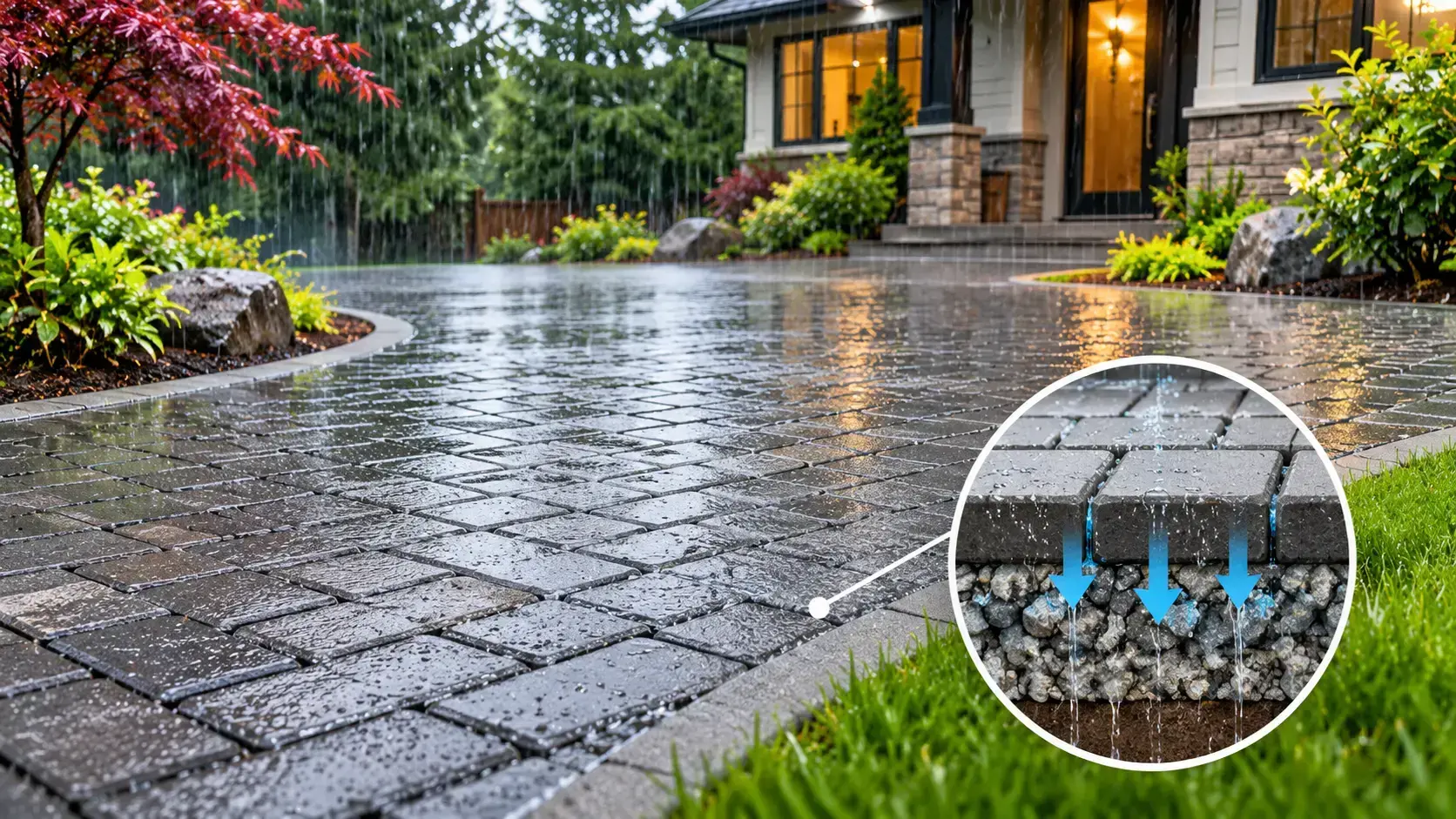
Winter in Spokane is beautiful, but it is hard on outdoor surfaces. Snow, ice, and sudden temperature swings put constant stress on patios, walkways, and driveway edges. Unsealed pavers take the worst of it. Their surface is full of tiny pores, and those pores let water in.
In this guide, you will learn how storms damage pavers, which warning signs to watch for, and how to protect your property before the next freeze.
Why Unsealed Pavers Are Vulnerable in Winter
Pavers are made from concrete, brick, or natural stone. All three materials are porous. Without a sealer, the surface acts like a sponge. Moisture from snow, sleet, and rain soaks in and stays there.
Eastern Washington adds another challenge. Our winters bring repeated freezing and thawing, and that pattern is one of the leading causes of surface damage in our region.
Three things make unsealed pavers weak:
- Open pores absorb water quickly
- Joints between pavers hold moisture
- Shaded areas dry slowly and stay damp
The Freeze and Thaw Cycle Explained
Water is the real enemy. Here is how the damage happens:
- Water seeps into pores and joints.
- Temperatures drop and the water turns to ice.
- Ice expands and pushes the material apart.
- Daytime warmth melts the ice and leaves new gaps.
- The cycle repeats many times each winter.
Each round makes small damage bigger. Hairline cracks become wide cracks. Small chips become flaking patches.
7 Ways Winter Storms Damage Unsealed Pavers
1. Surface Flaking
Trapped water freezes just under the surface. The top layer then peels away in thin flakes. This is called spalling, and it cannot be undone.
2. Cracking
Ice expansion creates stress inside each paver. Over time, that stress splits the stone or concrete.
3. Shifting and Heaving
Frozen ground lifts pavers unevenly. When the ground thaws, they settle in new positions. The result is a bumpy, uneven surface and a real trip hazard.
4. Washed Out Joints
Heavy rain and melting snow wash sand out of the joints. Without that sand, pavers lose support and begin to move.
5. Weeds and Moss
Open joints collect soil and seeds. Moisture helps moss and weeds take hold. Their roots then widen the gaps even more.
6. Salt and Stain Damage
Ice melt products can eat into unsealed surfaces. Rust, oil, and wet leaves can leave dark marks that are hard to remove.
7. Fading and Efflorescence
Moisture pulls minerals to the surface. These leave a white, chalky film. Winter moisture and UV exposure also dull the original color.
Warning Signs to Check After a Storm
Walk your property once the snow melts. Look for:
- Small chips or flaking on the surface
- Cracks running through single pavers
- Low spots where water pools
- Gaps or missing sand in the joints
- White powder or dark stains
- Pavers that rock or feel loose
Standing water deserves special attention. It often points to a drainage or grading problem, and it gets worse the longer it is ignored.
How to Protect Your Surfaces Before the Next Storm
You do not need to wait for damage. A few steps make a big difference:
- Clean the surface. Remove dirt, moss, and old stains before cold weather arrives.
- Refill the joints. Fresh joint sand keeps pavers locked in place.
- Apply a quality sealer. Sealing reduces water absorption and slows freeze damage.
- Fix drainage. Water should flow away from the surface, not sit on it.
- Shovel with care. Use a plastic shovel to avoid scratching edges.
- Go easy on ice melt. Use small amounts and rinse in spring.
Early action costs far less than replacement. Small problems caught in fall rarely turn into big ones by spring.
Where Cornerstone Paving WA Can Help
Cornerstone Paving WA specializes in asphalt paving, chip seal, and seal coating for homes and properties across Spokane and Eastern Washington.
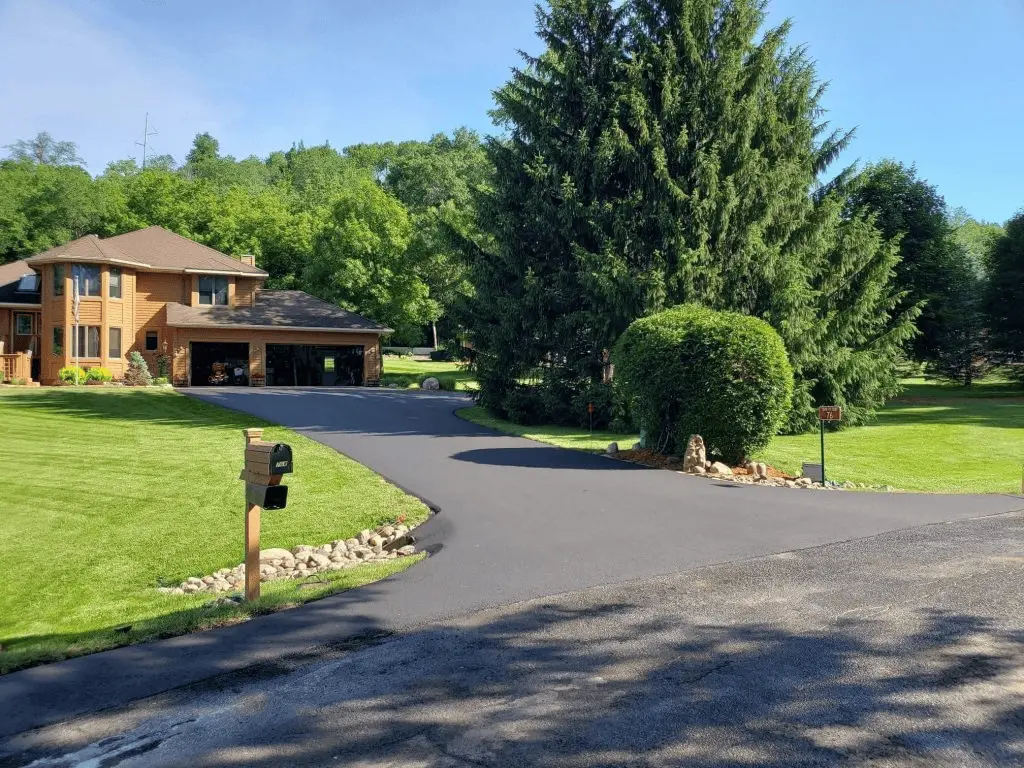
Many properties combine pavers with an asphalt driveway. The same winter forces attack both surfaces. If your driveway meets your patio or walkway, we can assess the asphalt side and tell you what it needs.
Here are the warning signs we look for on asphalt:
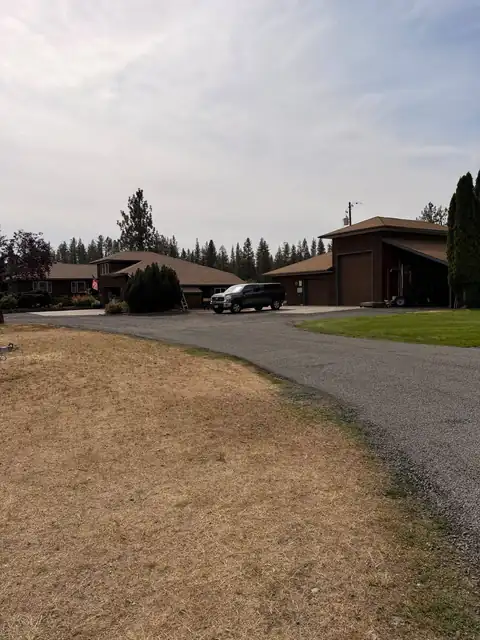
- Color fading from black to gray
- Hairline cracks along the surface or edges
- Standing water after rain
- Soft or spongy spots near the edges
- No sealing or paving work in 5 or more years
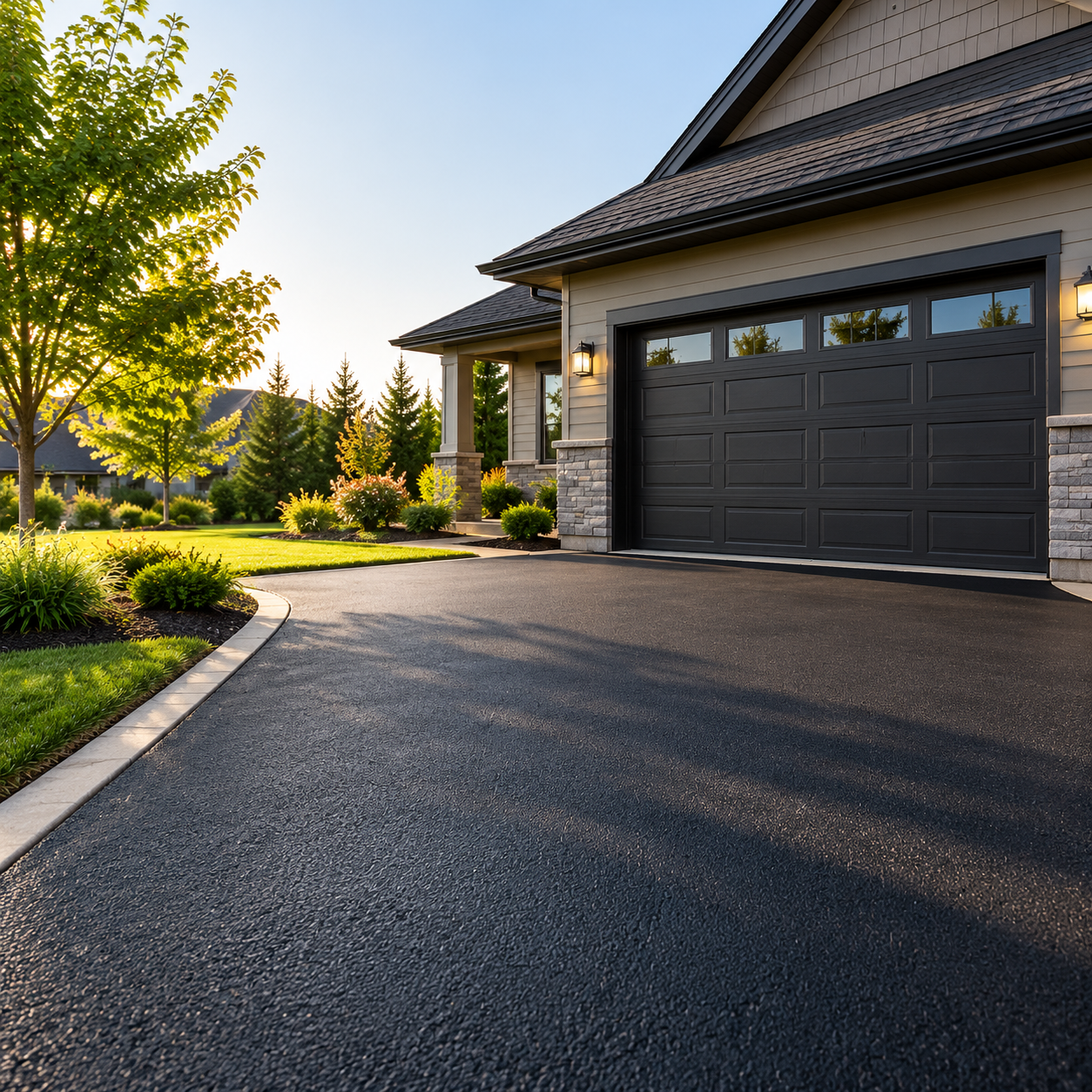
For asphalt, seal coating every 3 to 5 years is a cost effective way to block water and UV damage. It extends surface life and slows breakdown. If you are unsure whether a surface needs a seal coat, a repair, or nothing yet, we will give you a straight answer.
Our crews also build with proper grading and a compacted gravel subbase. That prepares the ground for Spokane’s freeze and thaw winters.
Why Spokane Homeowners Trust Cornerstone Paving WA
Choosing a contractor is a big decision. Here is what you can count on:
- Licensed contractor: Washington State license number CORNECL750Q4
- Fully insured: General liability coverage on every project
- Real roadway experience: More than 500 miles of roadway projects across Eastern Washington
- Owner on every job: No middlemen and no handoffs
- Free written estimates: What we quote is what you pay
- Double chip seal systems: A stronger surface for residential projects
Our clients notice the difference. One homeowner praised the careful grading, crushed rock prep, and respect for overhanging trees. Another property owner was delighted with a seal coat on a very long driveway.
Frequently Asked Questions
Do winter storms really damage unsealed pavers?
Yes. Pores and joints absorb water, and freezing ice expands inside them. Over a few winters, this causes flaking, cracks, and shifting.
When should pavers be sealed?
Fall is a smart time, before the first hard freeze. The surface must be clean and fully dry. Mild, dry weather gives the best results.
How can I tell if my asphalt driveway needs attention?
Look for gray fading, hairline cracks, standing water, or soft spots near the edges. Our free on site estimate will confirm what it needs.
How often should asphalt be sealed?
Most driveways benefit from a fresh coat every 3 to 5 years. Traffic and sun exposure can change that timing.
Does Cornerstone Paving WA offer free estimates?
Yes. Every estimate is free, written, and without obligation. We come to your property and explain your options clearly.
What areas does Cornerstone Paving WA serve?
We serve Spokane and the surrounding area, including Spokane Valley, Mead, Deer Park, Cheney, Liberty Lake, Medical Lake, Airway Heights, Nine Mile Falls, and Chattaroy.
Protect Your Property Before Winter Hits
Winter storms are coming, and unprotected surfaces pay the price. Early care saves money and keeps your property looking its best.
Ready to talk about your driveway or paved surfaces? Call us at (509) 307 8856 or request your free estimate today.