The right paving contractor in Spokane is licensed and bonded in Washington, has direct experience with the region’s freeze-thaw winters, provides a written estimate with material specs, and backs the work with a clear warranty. Skipping any of these steps is how homeowners end up with cracked, sinking, or short-lived driveways.
Choosing a paving contractor is not a decision to rush. A driveway or parking lot is one of the most expensive exterior investments a property owner makes, and in Spokane’s climate, a poorly installed one can fail within a single winter. This guide walks through exactly what to check, what to ask, and what to avoid before signing a contract.
Why Spokane’s Climate Makes Contractor Choice Matter More
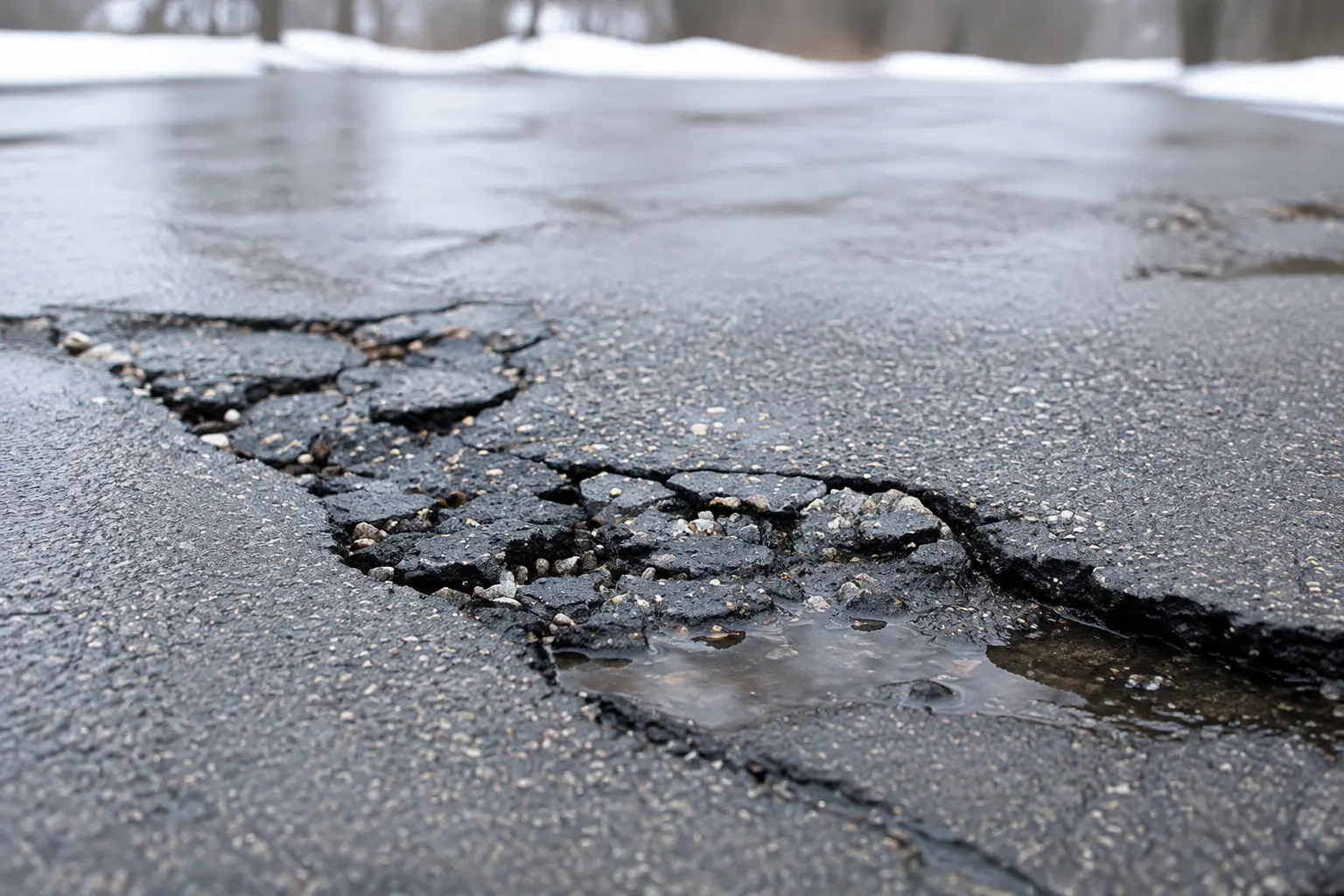
Spokane experiences repeated freeze-thaw cycles every winter, and that constant expansion and contraction is exactly what causes poorly installed asphalt and concrete to crack, heave, and pothole within a year or two. Base preparation, drainage, and material thickness all need to account for this, and not every contractor does that correctly, especially ones who mainly work in milder climates or cut corners on prep work to save time.
A contractor who understands Spokane’s freeze-thaw pattern will grade the site for proper drainage, compact the base to the right depth, and choose materials suited for temperature swings. Ask any contractor directly how their process changes for this climate. If they don’t have a clear answer, that’s a warning sign.
What to Check Before Hiring a Paving Contractor
1. Washington state licensing and bonding
Confirm the contractor’s license is active through the Washington L&I contractor lookup tool, not just something listed on their website. An unlicensed contractor leaves you with no recourse if the work fails or someone is injured on the job.
2. Local experience, not just general paving experience
A contractor who has completed driveways, parking lots, or commercial paving specifically in the Spokane area understands local soil conditions, frost depth requirements, and permitting. Someone who mostly works in a different region may not.
3. A detailed written estimate
A trustworthy estimate specifies asphalt thickness or concrete mix design, base preparation depth, and drainage plans. A vague, one-line total price with no breakdown is a common sign of corners being cut later.
4. References or recent local projects
A contractor confident in their work will readily point you to driveways, lots, or commercial jobs they have completed nearby, and won’t hesitate if you ask to see one in person.
5. A written warranty
Ask exactly what is covered (cracking, sinking, drainage issues), for how long, and what would void it. A verbal promise is not the same as a written warranty attached to your contract.
6. Proof of insurance
General liability and worker’s compensation coverage protect you if equipment damages your property or a worker is injured during the job. Ask for a certificate of insurance, not just a verbal assurance.
Questions to Ask During the Quote
- How thick will the asphalt or concrete base be, and why that thickness for this project?
- How will you handle drainage so water doesn’t pool or freeze on the surface?
- What is your project timeline, and how does weather affect it?
- Will your own crew do the work, or is it subcontracted?
- What does your warranty cover, and what specifically would void it?
- Can I see or contact a recent local customer?
Asking these questions upfront filters out contractors who are not prepared to stand behind their own process.
Red Flags to Watch For
Be cautious of a contractor who gives you a price over the phone without ever seeing the site in person, pressures you to sign a contract the same day, asks for full payment upfront, or cannot clearly explain their base preparation process. These are common signs of shortcuts, and shortcuts in paving typically show up as cracks, potholes, or drainage problems within a season or two, not years down the road.
How Long Should a Properly Installed Driveway Last?
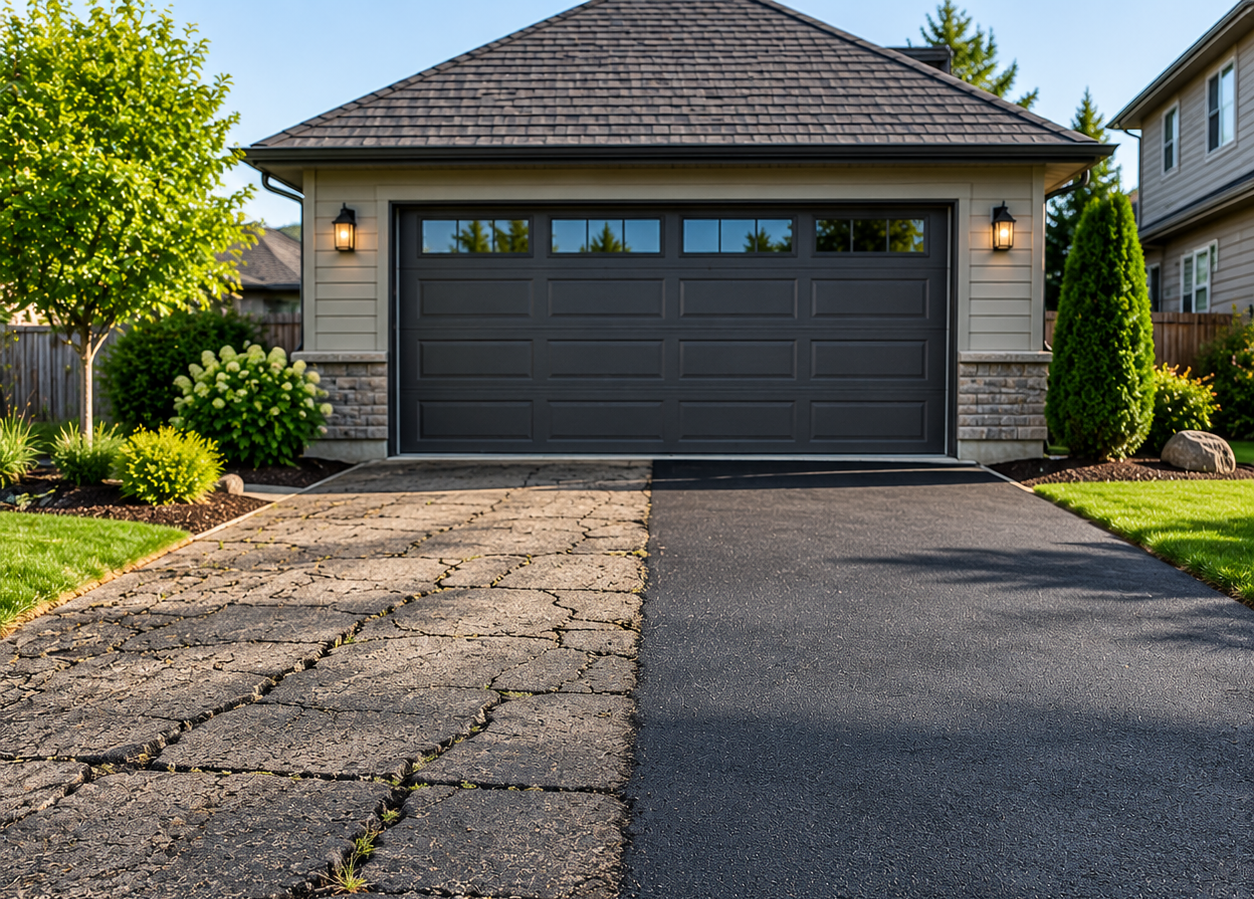
A correctly installed asphalt driveway in Spokane’s climate typically lasts 15 to 20 years with routine sealcoating, while concrete driveways can last 25 to 30 years or more. If a contractor’s work fails significantly earlier than that, it usually points back to inadequate base preparation or poor drainage planning, not just material aging.
FAQ
How much does a driveway paving job cost in Spokane?
Costs vary based on square footage, material choice, and site prep needs, so ask for a written, itemized quote rather than relying on a general estimate or rough number given over the phone.
How long does asphalt paving take to cure in Spokane’s climate?
New asphalt typically needs a few days before light use and up to a full year to cure completely, so avoid heavy vehicles, sharp turns, or parking in one spot for long periods early on.
Is spring or fall the better time to pave in Spokane?
Late spring through early fall is ideal, since asphalt and concrete need stable, warmer temperatures to cure properly before winter freeze-thaw cycles begin again.
Do I need a permit to repave my driveway in Spokane?
In many cases, replacing an existing driveway in the same footprint does not require a permit, but expanding it or adding new drainage may. A reputable local contractor will know current city requirements and confirm this before starting work.
What’s the difference between hiring a paving company and a general contractor for driveway work?
A dedicated paving contractor specializes specifically in asphalt and concrete installation, base preparation, and drainage, while a general contractor may subcontract that work out. Hiring a specialist directly often means more accountability and fewer communication gaps.