The leaves are falling. The mornings are getting colder. Your driveway is about to face its toughest test of the year. Every winter in Washington, water slips into small cracks, freezes, and pushes the asphalt apart. By spring, a driveway that looked fine in October can be full of potholes and crumbling edges.
Here is the good news. You still have time to act.
This guide shares five urgent precautions from Cornerstone Paving WA, a licensed and fully insured paving contractor. Follow them now and you can save yourself thousands in repairs later.
Why Winter Is So Hard on Washington Driveways
Washington’s freeze thaw winters are tough on asphalt. Winter does the most harm, and it happens in four quiet steps:
- Water seeps into small surface cracks.
- The water freezes and expands.
- The crack gets wider and pushes the pavement apart.
- The ice thaws, more water gets in, and the cycle repeats.
A hairline crack costs very little to fix today. Left alone through one or two winters, it can turn into a pothole or even a failed base. That is why acting before the first hard freeze matters so much.
Precaution 1: Inspect Your Driveway Before the First Freeze
Take a slow walk along your driveway this week. Look closely for these warning signs:
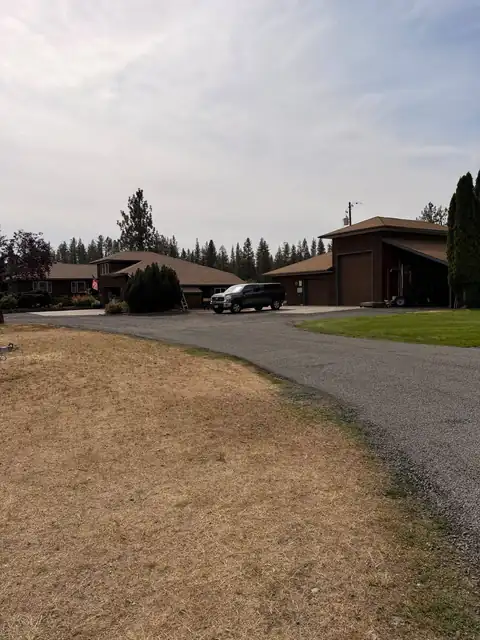
- Color fading from black to gray, which signals UV oxidation
- Hairline cracks along the surface or edges
- Standing water after rain
- Soft or spongy spots near the edges
- No seal coat or paving work in the last 5 years or more
Snap a few photos and mark problem spots with chalk. This helps you track changes and gives your contractor a clear picture.
Not sure what you are looking at? Send us photos of your driveways and we will tell you straight whether you need a seal coat, a repair, or nothing at all yet.
Precaution 2: Fill and Seal Cracks Before Water Gets In
Cracks open doors for winter damage. Even narrow ones let moisture reach the base beneath your driveway.
Small cracks are the easiest and cheapest problems to fix. Do not wait for them to grow.
Watch for these red flags:
- Cracks wider than a pencil line
- Cracks that connect or form a web pattern
- Cracks near the edges, where the base is most exposed
Deep or spreading cracks often point to a base problem. A professional can tell you whether a simple repair will hold or whether the base needs work.
Precaution 3: Seal Coat Before Cold Weather Locks In
Seal coating is the most affordable way to protect asphalt you already own. It creates a barrier against water, UV rays, and freeze thaw cycles.
Most driveways need a fresh coat every 3 to 5 years, depending on traffic and sun exposure.
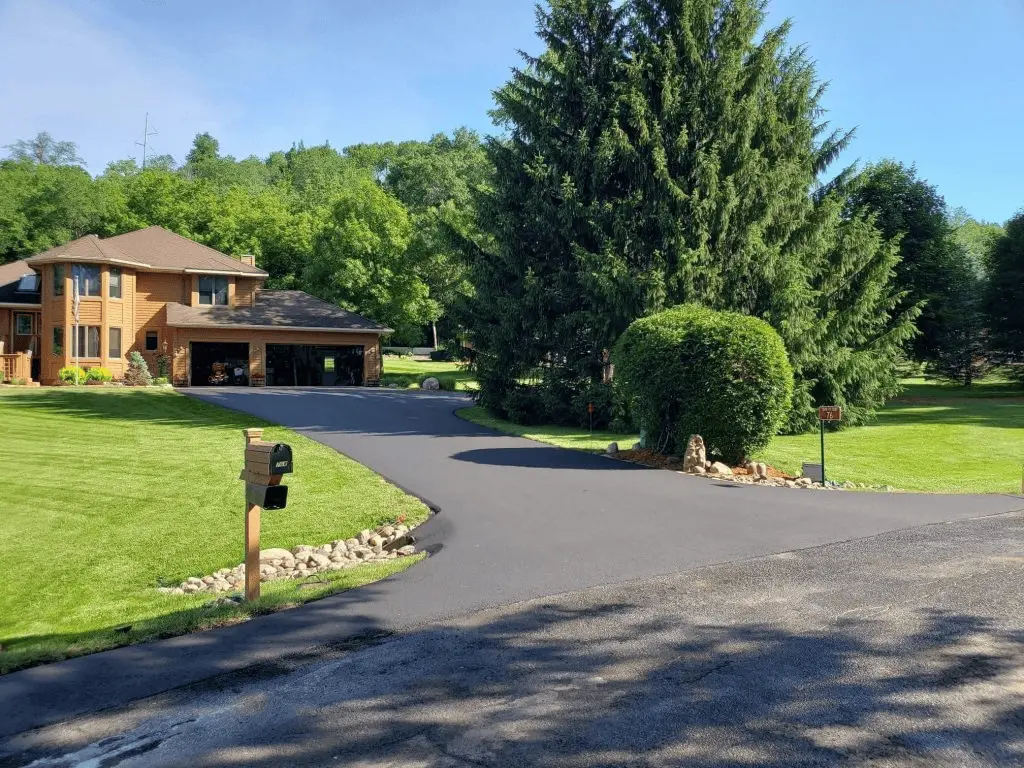
One of our clients had a 7,000 foot driveway that was five years old and ready for attention. After our seal coating service, it looked fresh, protected, and ready for Northwest winters.
Timing matters. Seal coating works best from spring through fall, so the window is closing. Book soon. If the weather runs out, we will tell you honestly and plan the job for early spring.
Precaution 4: Fix Drainage Problems and Standing Water
Water that pools on your driveway has nowhere to go but down. Over winter, that means more ice, more pressure, and faster damage.
Check these spots after the next rain:
- Puddles that stay for hours
- Water running toward the garage or the edges
- Downspouts that empty onto the pavement
Pooling usually points to a grading or drainage issue. It gets worse the longer it is ignored.
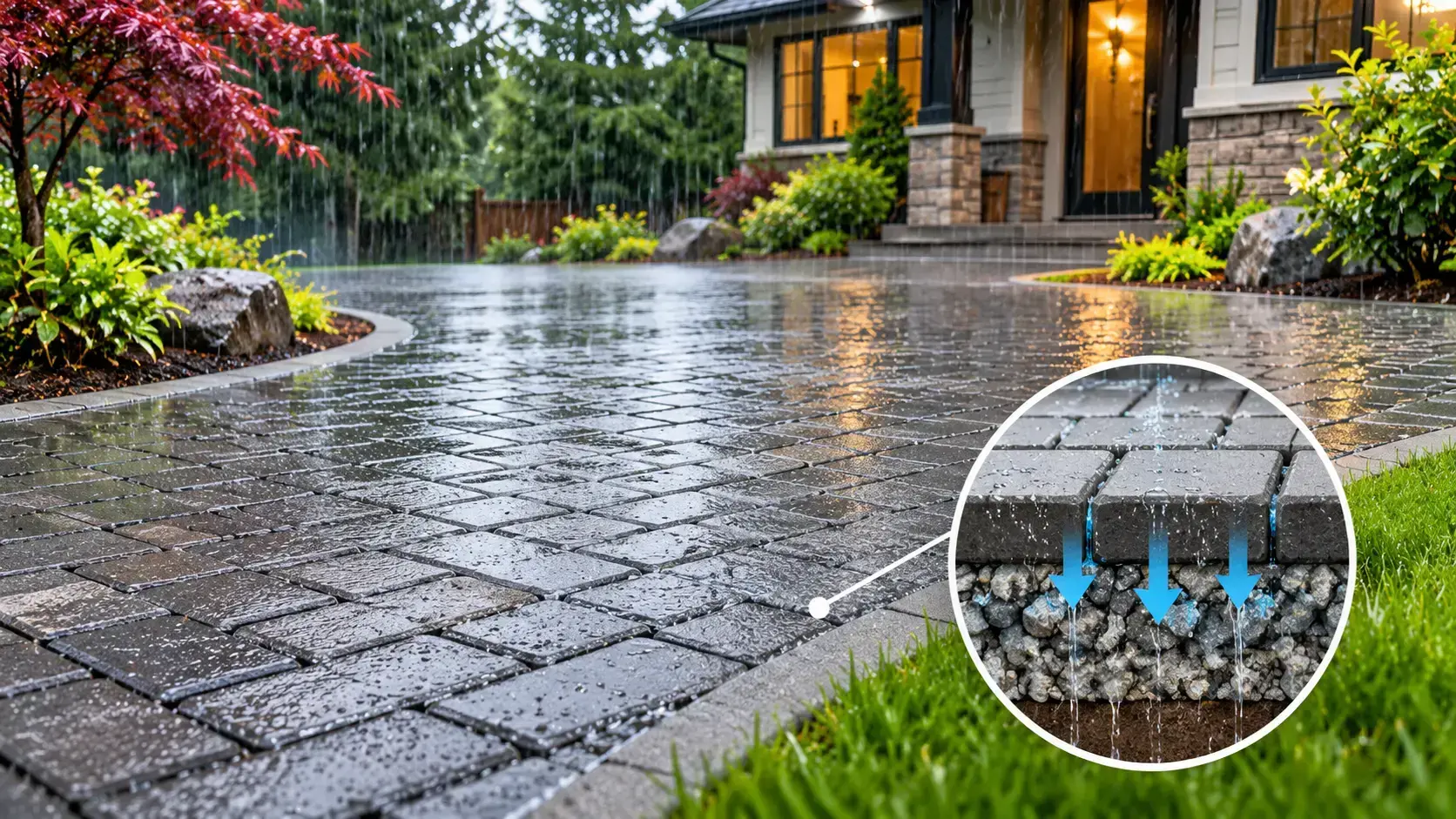
Proper grading and a compacted gravel subbase are the foundation of a driveway that lasts. One homeowner, Phil S., praised our attention to grading for water runoff and our careful crushed rock prep. That is how every asphalt paving project starts.
Precaution 5: Protect Your Driveway During Snow and Ice Season
How you handle snow matters as much as how you prepare.
Follow these simple habits:
- Use a plastic shovel or a snow blade with a rubber edge.
- Raise metal blades slightly so they do not gouge the surface.
- Push snow away from the edges so meltwater drains off the driveway.
- Use sand for traction and go easy on harsh deicing chemicals.
- Keep heavy vehicles off soft or crumbling edges.
Small habits protect your investment all season long.
Which Fix Is Right for Your Driveway?
Every property is different. Here is a quick guide:
- Seal coating: Best for existing asphalt in fair to good condition.
- Chip seal: Best for long driveways and rural properties. It costs 30 to 50 percent less than full asphalt.
- Asphalt paving: Best for short to mid length residential driveways. With maintenance, it lasts 20 to 30 years.
We install a full double chip seal system as standard on residential projects. It gives you a tighter, stronger surface with better stone retention. Learn more about our chip seal service.
If damage runs deep, a repair or replacement may be the smarter move. We will give you a straight answer during your free estimate.
Why Washington Homeowners Trust Cornerstone Paving WA
Choosing a contractor is a big decision. Here is what you can count on:
- Licensed contractor: Washington State license CORNECL750Q4, which you can verify
- Fully insured: General liability insurance on every project
- 500+ miles of roadway experience: Real paving work across Eastern Washington
- Owner on every job: No subcontracted crews and no middlemen
- Written estimates: Free, clear, and no hidden fees
- Built for Washington conditions: Prep and drainage designed for freeze thaw cycles
Proudly Serving Homeowners Across Washington
We help property owners in communities including Spokane Valley, Liberty Lake, Cheney, Medical Lake, Deer Park, Mead, Airway Heights, Nine Mile Falls, and Chattaroy.
Frequently Asked Questions
Why do driveways crack in Washington winters?
Water seeps into small cracks, freezes, and expands. Over time, this forces the cracks wider. Seal coating and proper installation are the best ways to prevent it.
Is it too late to seal coat my driveway this year?
It depends on the weather. Seal coating works best from spring through fall. Call us and we will give you an honest answer for your property.
How often should I seal coat my driveway?
Most driveways benefit from a fresh coat every 3 to 5 years. Traffic and sun exposure affect the timing.
Can my driveway be sealed, or does it need replacing?
Fading and minor cracking are good candidates for seal coating. If the base has shifted or the damage is deep, repair or replacement is the better choice.
How long does a residential paving project take?
Most driveway projects finish in one to two days. Seal coating and chip seal jobs are often done in a single visit.
Is your estimate really free?
Yes. We visit your property, assess the surface, and give you a written estimate at no charge. There is no obligation and no pressure.
Do Not Wait for the First Freeze
Every week you wait, your driveway takes on more risk. A small fix today can prevent a big bill in spring. Let us walk your property together. We offer free estimates within 48 hours.
- Call: (509) 307 8856
- Hours: Monday to Saturday, 7am to 6pm
- Online: Request your free estimate